The Sheep of His Pasture
From The Carfax Portfolio 1904.
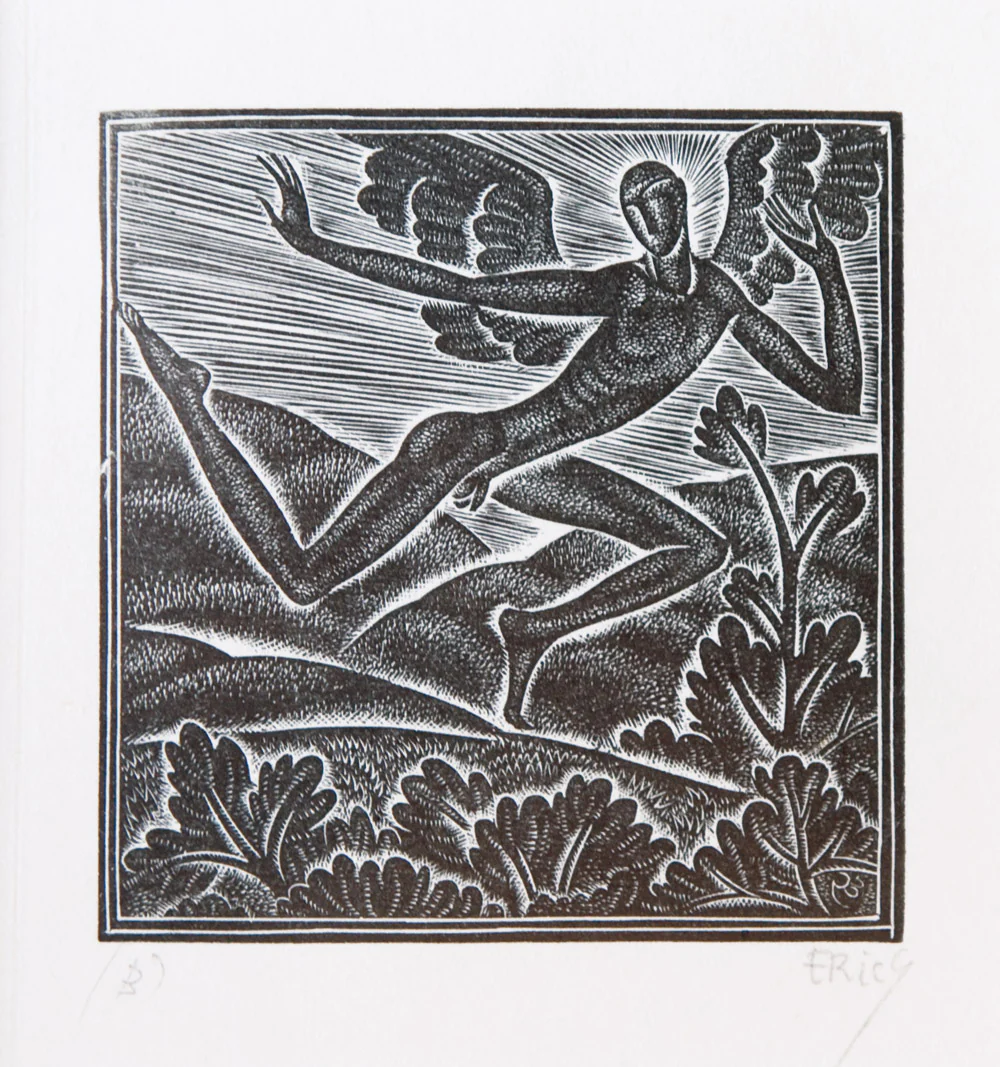
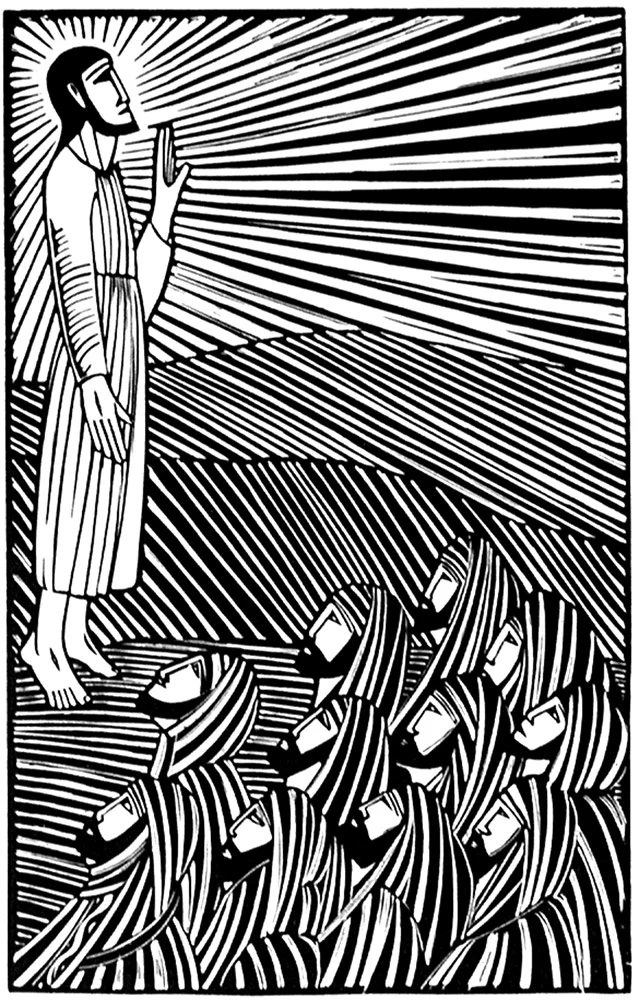
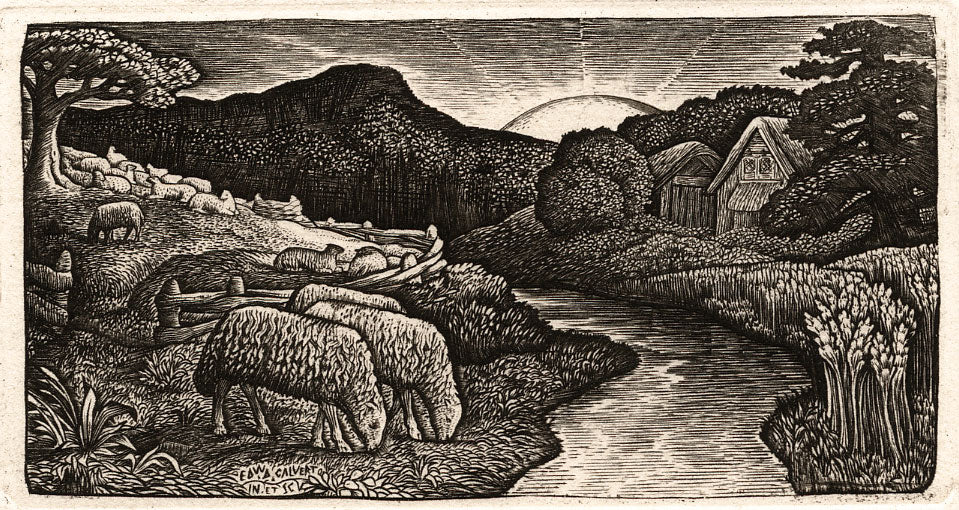
The composition is very close to that of cut number VIII of Blake’s Virgil series. Yet the work has a character and strength of its own. It is another instance of Calvert’s mystical view of a lush and cornucopian nature, as much pagan as Christian.
This pastoral might as well have come from Virgil’s Eclogues as from the Twenty-third Psalm; it could be a paean of praise to Demeter as much as to Christ.
The composition is very close to that of cut number VIII of Blake’s Virgil series. Yet the work has a character and strength of its own. It is another instance of Calvert’s mystical view of a lush and cornucopian nature, as much pagan as Christian.
This pastoral might as well have come from Virgil’s Eclogues as from the Twenty-third Psalm; it could be a paean of praise to Demeter as much as to Christ.
From The Carfax Portfolio 1904.
The composition is very close to that of cut number VIII of Blake’s Virgil series. Yet the work has a character and strength of its own. It is another instance of Calvert’s mystical view of a lush and cornucopian nature, as much pagan as Christian.
This pastoral might as well have come from Virgil’s Eclogues as from the Twenty-third Psalm; it could be a paean of praise to Demeter as much as to Christ.
The composition is very close to that of cut number VIII of Blake’s Virgil series. Yet the work has a character and strength of its own. It is another instance of Calvert’s mystical view of a lush and cornucopian nature, as much pagan as Christian.
This pastoral might as well have come from Virgil’s Eclogues as from the Twenty-third Psalm; it could be a paean of praise to Demeter as much as to Christ.
$4,633.51
The Sheep of His Pasture—
$4,633.51
Description
From The Carfax Portfolio 1904.
The composition is very close to that of cut number VIII of Blake’s Virgil series. Yet the work has a character and strength of its own. It is another instance of Calvert’s mystical view of a lush and cornucopian nature, as much pagan as Christian.
This pastoral might as well have come from Virgil’s Eclogues as from the Twenty-third Psalm; it could be a paean of praise to Demeter as much as to Christ.
The composition is very close to that of cut number VIII of Blake’s Virgil series. Yet the work has a character and strength of its own. It is another instance of Calvert’s mystical view of a lush and cornucopian nature, as much pagan as Christian.
This pastoral might as well have come from Virgil’s Eclogues as from the Twenty-third Psalm; it could be a paean of praise to Demeter as much as to Christ.